Timing Belt Tension Gauge for Opel, Ford, Seat and VW, as VW 210
-
Code:1705
-
Weight:0.378 Kgs
Overview:
✔ Mechanical gauge for checking and adjusting timing belt tension
✔ Suitable for vehicles with specified belt deflection values
✔ One full turn of the adjustment nut applies approximately 10 N
✔ Dual scale allows readings from both sides of the tool
✔ Clear graduated markings for precise adjustment
✔ Compact and durable metal construction


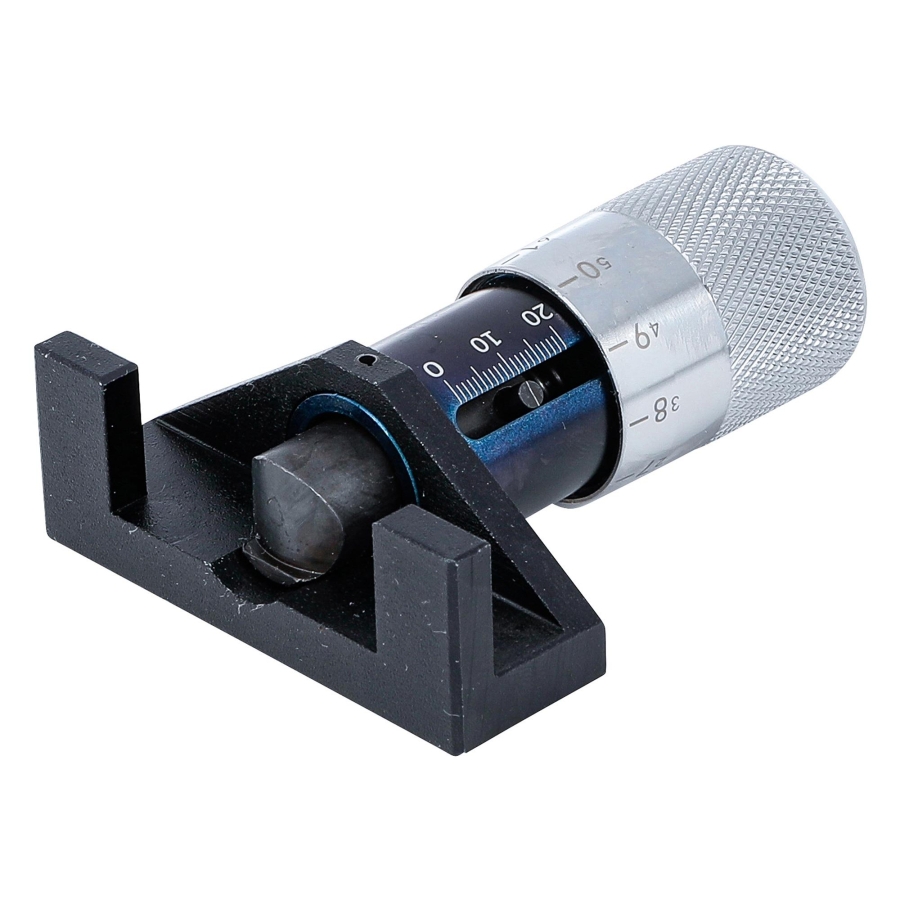
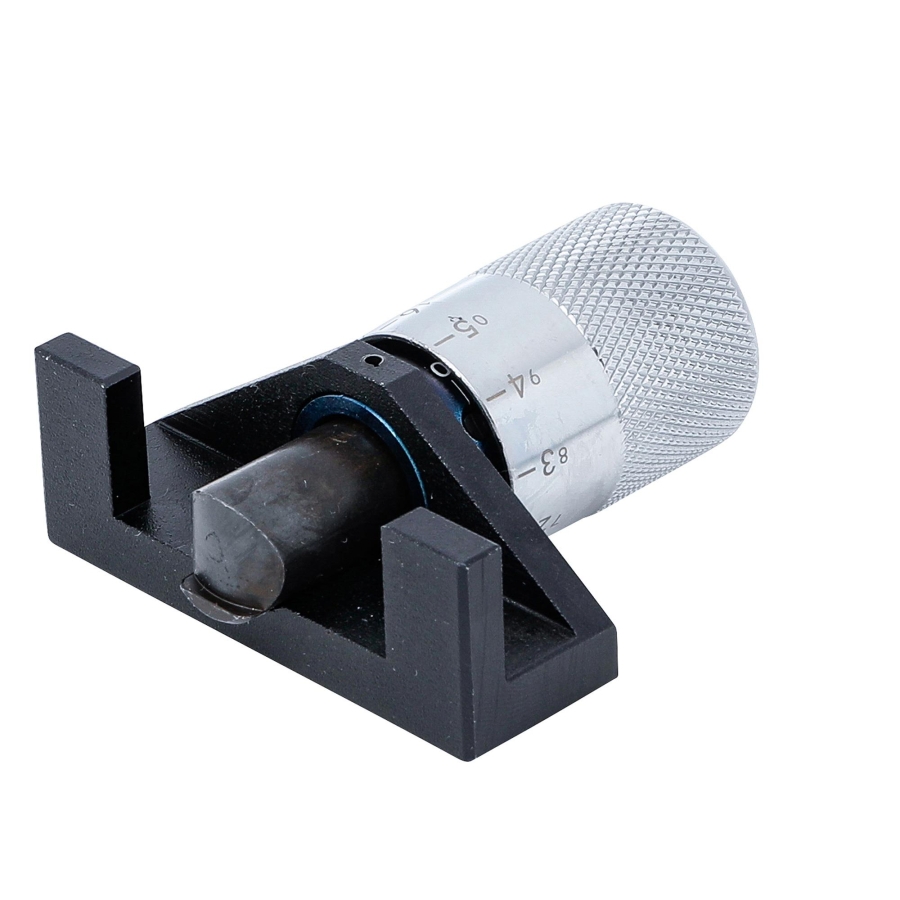
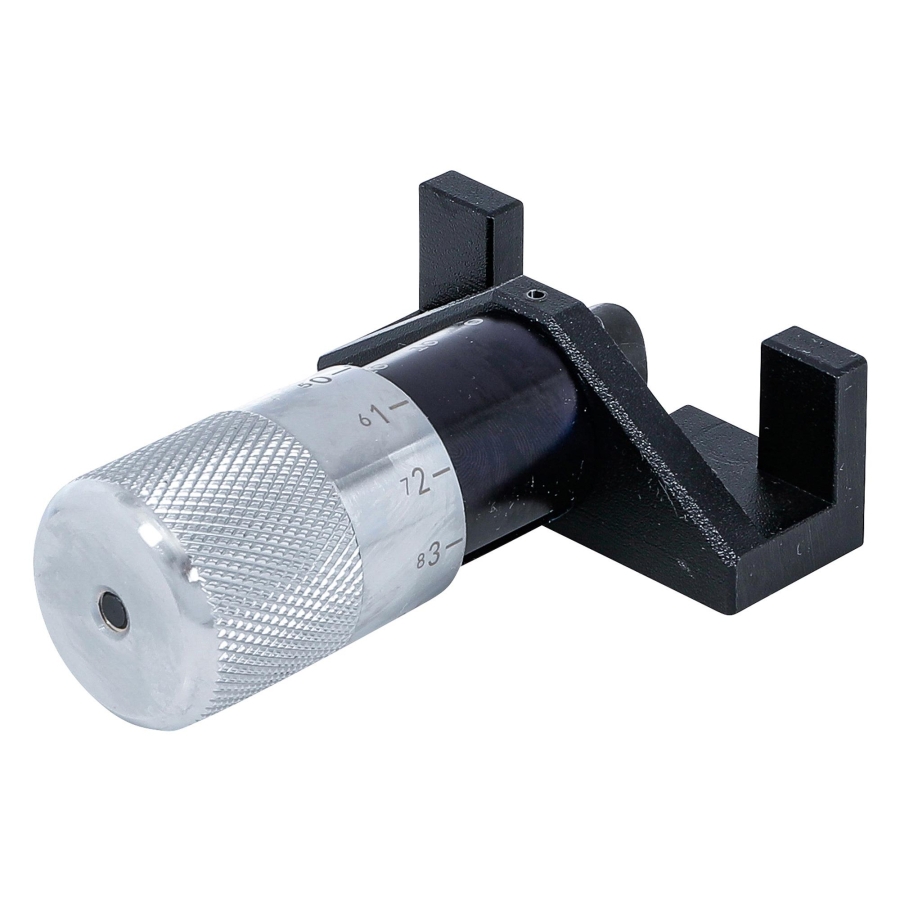
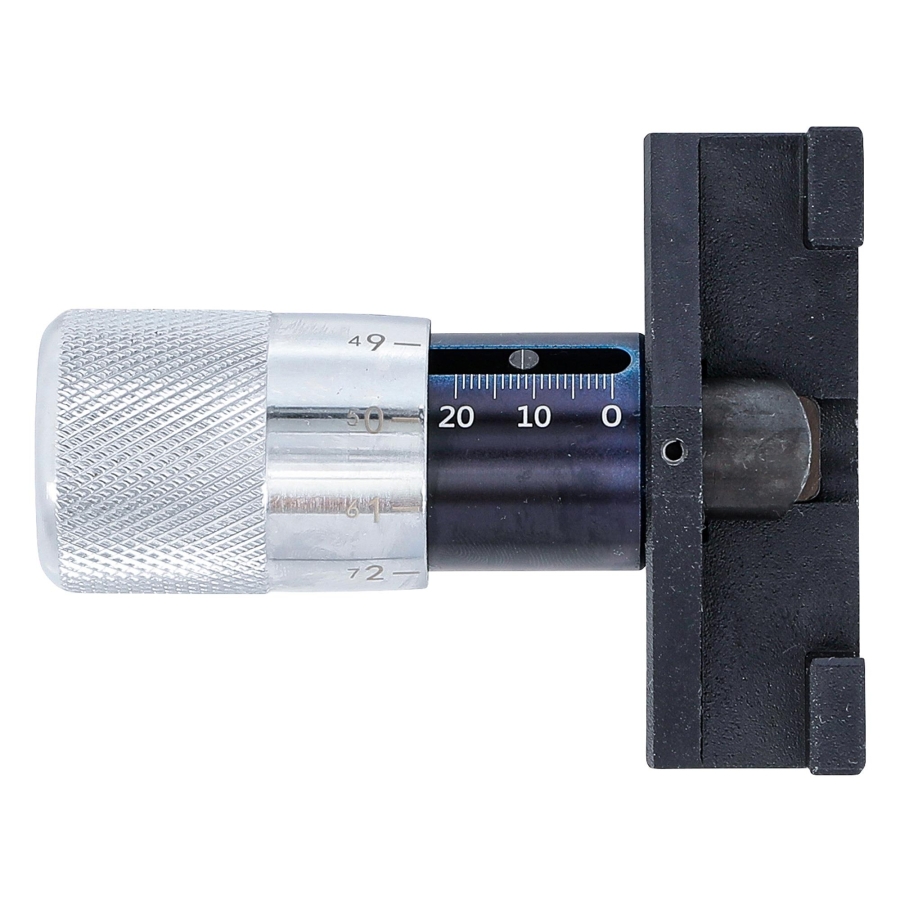
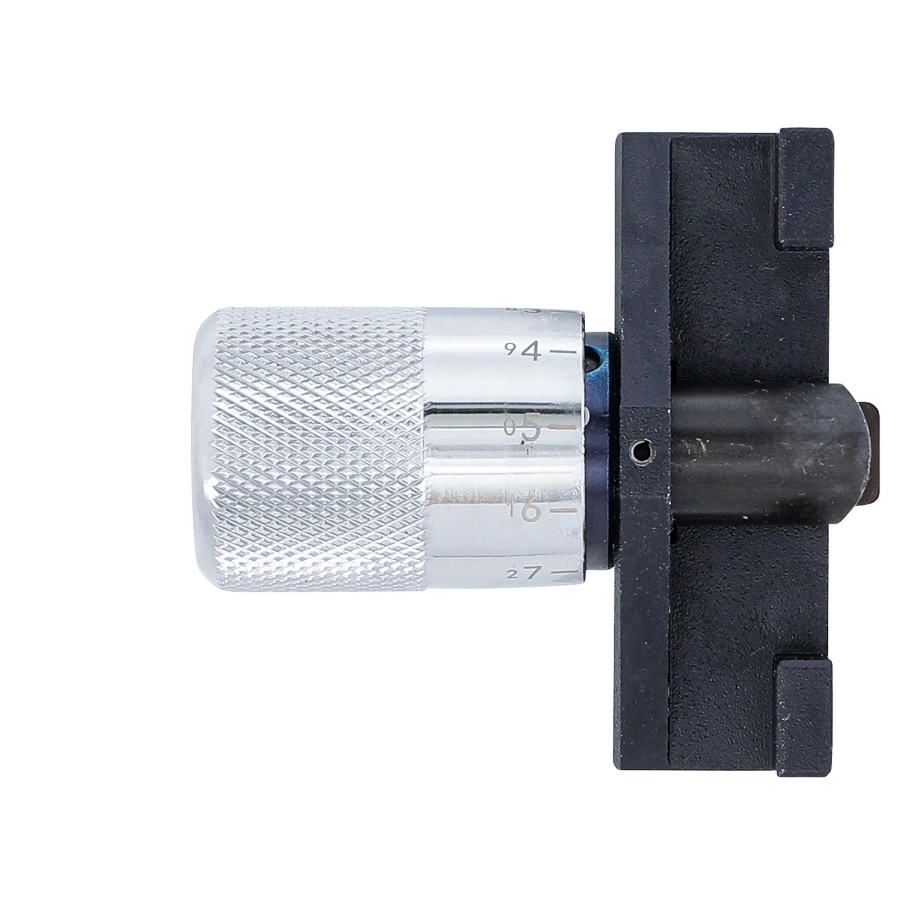
This mechanical gauge is designed for checking, maintaining and accurately adjusting timing belt tension.
It is suitable for applications where the manufacturer specifies the permitted belt deflection under a defined load. The tool can be used with timing belts of different sizes and is particularly suitable for Opel, Ford, Seat and VW vehicles.
Always follow the vehicle manufacturer’s specifications for the correct belt tension, applied force and measuring position.
Precise and Easy Measurement
One full turn of the adjustment nut corresponds to a plunger load of approximately 10 N.
Clearly graduated measurement markings and a knurled adjustment knob allow the load and belt deflection to be set and read precisely.
The dual-sided scale with large and small numbering allows the measurement to be read from above or below the tool, improving accessibility in confined working areas.
Instructions for Use
- Identify the timing belt tension, applied force and measuring position specified by the vehicle manufacturer.
- Position the gauge on the timing belt at the specified measuring point.
- Turn the adjustment nut to apply the required load. One full turn corresponds to approximately 10 N.
- Read the resulting belt deflection on the scale.
- Adjust the timing belt tension as required and repeat the measurement until the specified value is reached.
For timing belts thicker than 5 mm, use the corresponding correction values from the applicable table.
Technical Specifications
Tool type: Mechanical timing belt tension gauge
Load per adjustment-nut revolution: Approximately 10 N
Scale: Readable from the front and rear
Material: Metal
Suitable for: Timing belts of different sizes
Application: Checking and adjusting belt tension according to specified load and deflection values
To Be Used as
VW 210 / VW210
Original numbers are provided for comparison purposes only. This is not an original tool.
Tension Testing
- Select the optimum measuring point according to the vehicle manufacturer’s specifications. Remember that the values can be read from both the upper and lower sides of the tool.
- Attach the tension gauge to the timing belt so that the internal guide is visible from both sides. When reading from the rear of the tool, use the smaller scale graduations for fine adjustment.
- Consult the manufacturer’s specifications for the required timing belt tension, permitted deflection in mm and permitted load in daN.
- Use the table below to determine the correct tension adjustment.
- Turn the adjustment knob until the bevelled edge of the gauge indicates the required tension value. Use the graduations on the adjustment knob for fine adjustment.
- Read the actual timing belt tension from the internal guide and compare it with the optimum value from the table. If the internal guide is no longer visible, the timing belt is probably too tight and is covering the guide. Carefully loosen the tensioner pulley until the guide becomes visible again.
- Adjust the timing belt tension as required.
Tension Adjustment
- Loosen or tighten the timing belt tensioner using a suitable tool until the internal guide of the tension gauge indicates the required value.
- Retighten the tensioner locking bolt using a suitable tool and observe the tightening torque specified by the vehicle manufacturer.
Timing Belt Thickness
For timing belts thicker than 5 mm, add the difference above 5 mm to both the actual and required tension values.
Example
Timing belt thickness: 6 mm
Timing belt load: 4.5 daN
Timing belt deflection: 3.5 mm
Thickness correction: 6 mm − 5 mm = 1 mm
Actual tension value: 16.0 mm + 1.0 mm = 17.0 mm
Optimum tension value: 13.0 mm + 1.0 mm = 14.0 mm